

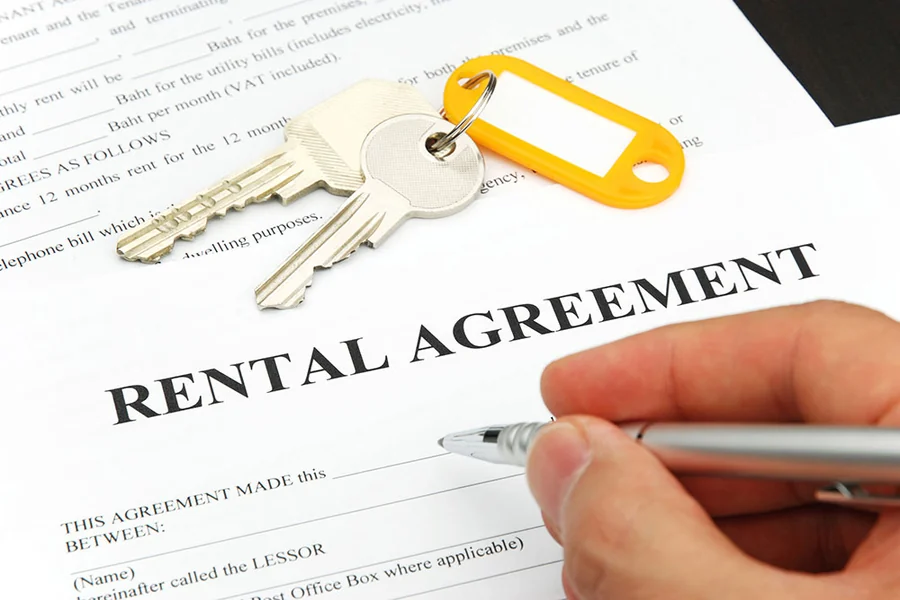
Start with clear limits in the lease
A rental agreement should state deposit & fee terms in plain language from the beginning. In California, security deposit rules for residential leases are set by Civil Code section 1950.5 & the lease should match those rules closely. For most residential rentals, the security deposit can’t exceed one month’s rent if the unit is unfurnished or two months’ rent if it is furnished, subject to limited statutory exceptions. That makes it important to set the amount correctly before the lease is signed.
Define what the security deposit covers?
The lease should explain what the deposit may be used for at the end of the tenancy. California (CA) law allows a landlord to use the deposit for unpaid rent, repair of damages beyond ordinary wear & tear, cleaning needed to return the unit to the same level of cleanliness it had at move-in & restoration or replacement in limited situations allowed by law. Putting these purposes directly into the lease helps reduce arguments later as well as gives both sides a practical standard to follow.
Separate deposits from nonrefundable charges
A common drafting problem is mixing refundable deposits with nonrefundable fees. If a charge is truly part of the tenant’s security, it should be treated as refundable subject to lawful deductions. The lease should not label part of the security deposit as automatically nonrefundable. If the landlord charges a lawful fee that is separate from the deposit, the lease should name it clearly, state when it is due & explains what service or cost it relates to. Clear labels matter because vague lease language often creates disputes over what must be returned.
Set application and screening fees carefully
If an application screening fee is charged, the lease process should reflect California’s screening fee rules. State law allows screening fees only in specific circumstances, including when the landlord is offering an application screening process as required by statute and when the landlord does not know, or should not know, that no unit is available within a reasonable period. A landlord should keep this charge outside the lease deposit clause and document it separately so there is no confusion between screening costs and tenant security.
Explain how deductions will be documented
The agreement should tell the tenant that deductions from the security deposit must be supported with an itemized statement after move-out. California (CA) requires the landlord, within 21 calendar days after the tenant vacates, to return the remaining deposit & provide an itemized statement of deductions if any amount is withheld. This section of the lease should also mention that supporting documentation may be required under the statute. A clear deduction clause encourages better records during the tenancy and makes the move-out process easier to manage.
Add an inspection and move-out process
A good lease shouldn’t wait until the end of the tenancy to explain expectations. California (CA) law gives tenants a right to request an initial inspection before moving out so they can address potential issues that could lead to deductions. Including this process in the agreement helps both sides prepare for turnover & reduces disputes about condition, cleaning as well as repair work. It also supports a cleaner paper trail if a disagreement later develops.
Keep fee language specific and workable
The strongest lease clauses are specific. State the exact deposit amount, list any separate fees, identify due dates and explain what happens if money remains unpaid. Avoid broad language such as “other charges as needed.” A well created rental lease agreement in California should tell the tenant what is being collected, why it is being collected and how it will be handled at the end of the tenancy. That approach protects the landlord, gives the tenant fair notice and keeps the lease easier to enforce if a dispute arises.
